Household Items with Surprisingly High Resale Value
Solid wood furniture and vintage collectibles flip for surprising profits.
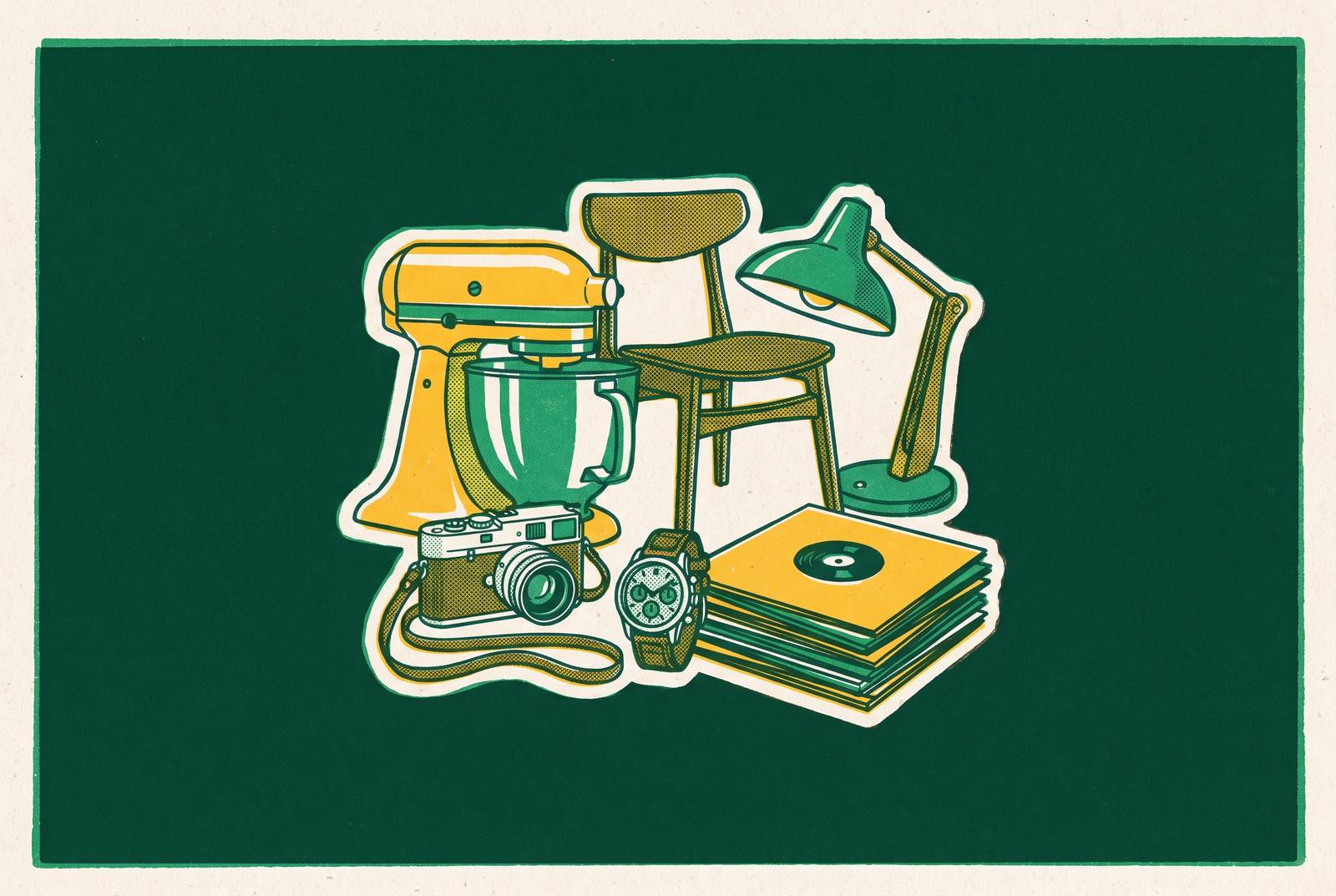
Old doesn't mean valuable here. What sells is solid wood: dressers, credenzas, sideboards, coffee tables. Particle board doesn't sell, and buyers spot it in about two seconds flat, no matter how good your lighting is.
Look for mid-century lines: tapered legs, original hardware, a finish that hasn't been sanded within an inch of its life. Bohemian and industrial pieces move well too, and so does old office furniture, oddly enough. Nobody thinks to check that stuff, which is exactly why it's sitting there undervalued.
Minor wear actually helps. Buyers like "character" on a piece as long as the joints are solid and it isn't falling apart underneath the charm. Authentic mid-century furniture can net 100 to 300 percent profit after light restoration, and scarcity plays a bigger role than most sellers realize. Take the VILBERT Chair, designed by Verner Panton in 1993: only 4,000 units were made, and it now sells for over $1,000 on specialty resale sites. That's a thirty-year-old limited run quietly turning into real money.
Round out the sweep with rugs, vintage lighting, and original artwork. Wool or hand-knotted rugs hold value even with visible wear, and old travel posters can surprise you. For anything heavy or bulky, use Facebook Marketplace with local pickup and skip the shipping headache.
Vintage Pyrex and cast iron cookware hiding in kitchen cabinets
Vintage Pyrex is a real collector market now, driven largely by millennials and Gen Z hunting for that chunky mid-century look. It's decorative, it's tough, and it photographs well, which matters more to resale than people expect.
Here's where sellers get it wrong constantly: they assume all Pyrex is worth roughly the same. It isn't, and the gap is enormous. A rare "Butterprint" piece sold for $3,050. A common green "Spring Blossom" butter dish sold for $20.99 the same season. Same brand, same era, wildly different money. The difference lives entirely in the pattern name, so learn the names (Golden Sunflower Daisy, Bluebelle Delphite, Butterprint, Cinderella mixing bowls) before pricing anything.
Cast iron runs on the same logic with different vocabulary. Griswold and Wagner are the names collectors search for, and skillets or Dutch ovens from those brands can run from $100 to several hundred dollars depending on size. A heavily used pan sells fine after a cleaning and a fresh seasoning coat, so don't let surface rust talk you out of listing something.
Don't stop at cookware. Matching dinnerware sets, vintage cocktail glasses, flatware still in its original case, small appliances used twice and shoved in a cabinet, it all adds up. High-end names like Vitamix, Breville, and Nespresso can flip for over 100 percent returns cleaned up right.
Vintage audio equipment and turntables
The vinyl comeback reflects a genuine shift in how listeners value music, beyond nostalgia dressed up as a trend. It's an actual market, and the receiver numbers make the case better than any turntable stat could.
Between October 2024 and January 2025, 23 vintage receivers sold for over $3,000 on eBay. Seven of those were Sansui G-9000s, most going for more than $4,000. The Sansui 9090 now trades around $3,500, more than double what it fetched two years back, and the Marantz 6300 has followed the same climb. A clean 6300 sold for $1,000 about eighteen months ago. It's worth considerably more now.
Beyond turntables and receivers, check for amplifiers, vintage speakers, and old microphones. Condition matters, but gear that needs repair still attracts buyers if the brand name is right. And here's the sleeper nobody expects: sealed blank cassette tapes, especially high-grade metal ones, get hunted down by audiophiles who need them for specific decks. Not for playing music, just for feeding a machine they already own.
Don't skip the records themselves either. Certain pressings hold value, and genuinely rare ones can command a real premium. Often the turntable and the stack of vinyl next to it are both worth pulling out of storage, not just one or the other.
Retro gaming consoles, cartridges, and related tech
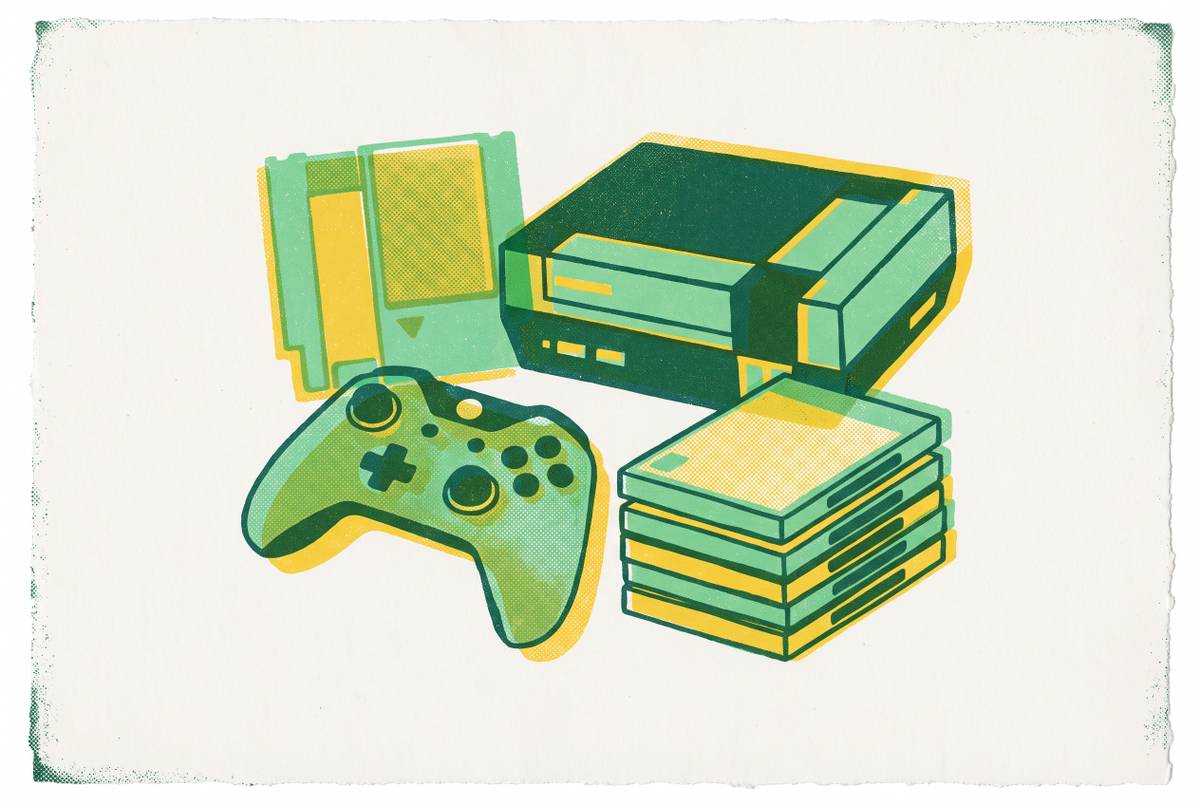
NES, SNES, Sega Genesis, Game Boy: these carry strong profit margins, and nostalgia is doing nearly all of that work. People want to replay their childhood, and they'll pay real money for the hardware that lets them do it.
Cartridges and discs follow the same pattern, amplified. Rare Nintendo 64 or PlayStation titles can sell for hundreds of dollars, with margins up to 500 percent on the rarest ones. A complete bundle, meaning console, controllers, and games together, tends to attract more buyers than components sold separately. Condition and completeness move the price more than anything else does.
The category people sleep on: old TV remotes, routers, early 2000s digital cameras (that low-fi look is having a real moment), even calculators. Nobody bothers listing this stuff, which is exactly why it shows up as a high-margin find when someone finally does.
Trading cards belong here too, and this is where the math gets specific fast. Professional grading through PSA can multiply a card's value, and a first-edition trading card can be worth 5 to 10 times an unlimited printing of the same exact card. Print run and edition are the two facts to check before pricing anything. For this whole category, eBay is the platform, full stop. The global reach and the volume of sold listings mean a real comp exists for almost any rare title.
Vintage toys and the difference between genuine collectibles and manufactured scarcity
Most "collectible" toys are just ordinary toys with a marketing label stuck on them. That's the part sellers need to hear before they get excited about a box in the attic.
Some toys hold real demand: original small Polly Pockets (not the newer large format), original Furbys, anything Pokémon-branded. Cultural relevance drives the price, not age. A toy being old doesn't make it valuable. A toy people still care about does, and those are two very different tests, no matter what the box says.
Retired LEGO sets can appreciate 5 to 10 times original retail, and complete sets with the original box and instructions bring the highest prices by far, well above loose bricks. Broadly, toy resale runs 50 to 250 percent profit margins, for the toys that actually qualify.
Then there's the warning label, and it deserves careful attention. A reseller once bought a bulk lot of 50 "rare" Beanie Babies for $100, expecting a payday. Forty-eight of them turned out to be unsellable. Manufactured scarcity (a company printing "limited edition" on a box) is not the same thing as genuine demand, and the word "collectible" printed on packaging means nothing on its own. Sold comps are the only thing that means anything, so chase real cultural relevance, not marketing copy.
On a steadier note, Montessori-style toys and high-end baby gear like UPPAbaby, Bugaboo, and Nuna strollers sell reliably to parents who want quality secondhand over cheap new. Worth checking the garage once the kids outgrow the stroller.
Clothing, sneakers, and accessories that hold or gain value
Sneakers are their own economy now. Limited drops from Nike (Jordan releases especially), Adidas, and New Balance can net 2 to 5 times profit, margins running 40 to 200 percent. Authentication matters more than it used to, since counterfeits have gotten good enough to fool a casual buyer. Check before you list, not after a return request lands in your inbox.
90s and Y2K fashion is back hard. Levi's, Carhartt jackets, band tees, baggy jeans, all the vintage streetwear staples move with 50 to 300 percent margins when sourced from thrift stores. Luxury handbags hold up too: Louis Vuitton, Chanel, Gucci, and Prada retain or gain value at 30 to 150 percent margins, and small leather goods like wallets move even faster since the entry price is lower.
Hermès Birkin bags are their own category of insanity, and the details that move the number are specific: leather type, size (size matters, with smaller formats often commanding stronger demand), neutral colors, hardware type, and having the full set, meaning box, dust bag, invoice, lock, and keys.
Watches work on a similarly technical level. Rolex models like the Daytona, GMT-Master II, and Explorer draw serious attention, especially sports models with original box and papers, and buyers scrutinize reference number, service history, and dial condition before paying top dollar. Patek Philippe sits a level above that for a narrower collector base. The Calatrava, Annual Calendar, and Perpetual Calendar can command serious money, particularly discontinued references with full documentation.
Designer sunglasses (Ray-Ban, Oakley, Prada) round things out as an easy, ship-friendly category with steady demand. Don't skip the jewelry box either: vintage costume pieces and fine gold or silver jewelry are worth pulling out and researching. For where to sell, Depop and Poshmark handle vintage fashion and streetwear best, while a platform with strong global reach and sold-data history suits watches and authenticated luxury goods.
Power tools, musical instruments, and sports equipment
Power tools never go out of style, mostly because buying new is expensive and everybody already knows it. DeWalt, Milwaukee, and Makita move consistently on eBay and Facebook Marketplace, often at solid margins. Tools also tend to be seasonal (used once a year, then boxed up), so they're often in near-new shape by the time someone finally lists them.
Musical instruments age well too, especially when the materials were good to start. Fender and Yamaha guitars hold value, and brass, woodwinds, and violins from known makers can command real money. Even a student-level instrument in good shape finds a buyer, since families and schools are always hunting for a decent deal on something a kid will outgrow anyway.
Fitness gear has stayed hot since the pandemic filled everyone's garage with equipment nobody uses past February. Weights, dumbbells, resistance bands, Peloton accessories, all of it still sees steady demand. Camping and outdoor gear follows a similar logic: seasonal use means excellent condition is the norm, not the exception, and the same goes for sporting goods and holiday décor.
Photography equipment deserves its own mention. Canon, Sony, and Nikon DSLRs and lenses sell fast, and film cameras have come back thanks to renewed interest in film photography. Collectors will even buy broken gear for parts or restoration, so "it doesn't work" isn't the deal-breaker most sellers assume it is.
How to tell what something is actually worth before you list it
Pricing off what other sellers are asking is the single most common mistake, and it wrecks more listings than bad photos ever will. Asking prices are fiction. They're wishes, and plenty of listings sit for months because the seller anchored to a number nobody's actually willing to pay.
The price of anything is whatever similar items actually sold for, full stop. eBay's sold listings are the gold standard for finding that number: filter results to "Sold" and you get completed sale prices instead of hopeful guesses. eBay's Product Research tool, tucked inside Seller Hub, goes further, pulling up to three years of sales history, including accepted Best Offer prices, filterable by category and condition. That's the difference between a tight, accurate comp and a shot in the dark.
For trading cards, check print run and edition before assuming anything. For watches, reference number, year, service history, box and papers, and dial condition all shift the number, and current market pricing matters far more than what the original owner paid or what some old online guide claims. For Pyrex, the pattern name is everything: "Spring Blossom" and "Butterprint" are not the same conversation, not even close.
Condition, though, matters less than most sellers think for cast iron, vintage audio, and furniture specifically. Buyers already expect to do some restoration, and they price that in ahead of time. The real reason a lot of valuable stuff never gets sold has less to do with pricing and more to do with the friction of listing it: taking photos, writing the description, doing the research. Tools that handle identification, condition grading, and listing copy on their own remove that barrier, turning "I think this is worth something" into an actual sale.
Where to sell each category to get the best price
Where an item gets listed matters almost as much as the price on it. Different platforms pull different buyers, and those buyers pay differently for the exact same object: the same $3,000 receiver can sit unsold for months or sell in a week depending on where it lands.
eBay is the default for electronics, tools, collectibles, trading cards, vintage audio, and retro gaming, because it has the global reach and, more importantly, the sold-data history to back up a price. Facebook Marketplace wins for furniture, gym equipment, and anything heavy where local pickup means skipping shipping entirely, and it does well for kitchenware and small appliances too.
Depop and Poshmark are built for vintage fashion, 90s and Y2K clothing, sneakers, and accessories. The buyers there are aesthetic-driven and will pay a premium for a listing with good photos and a description that sounds like an actual person wrote it, not a spec sheet.
Cross-listing the same item across multiple platforms at once is standard practice now, and waiting around for one platform to respond before trying another just wastes time. AI-powered listing tools, like Reclaim, handle the photo identification, condition grading, and listing copy automatically, cutting out the time barrier that keeps most casual sellers from ever getting around to it. And no matter which platform handles the sale, the seller keeps control over the payout. Shipping is the marketplace's problem to manage, not a reason to let good money sit in a closet another year.