Decluttering After a Divorce or Estate Cleanout
Separate emotional decisions from financial ones to avoid freezing up or giving away valuables.

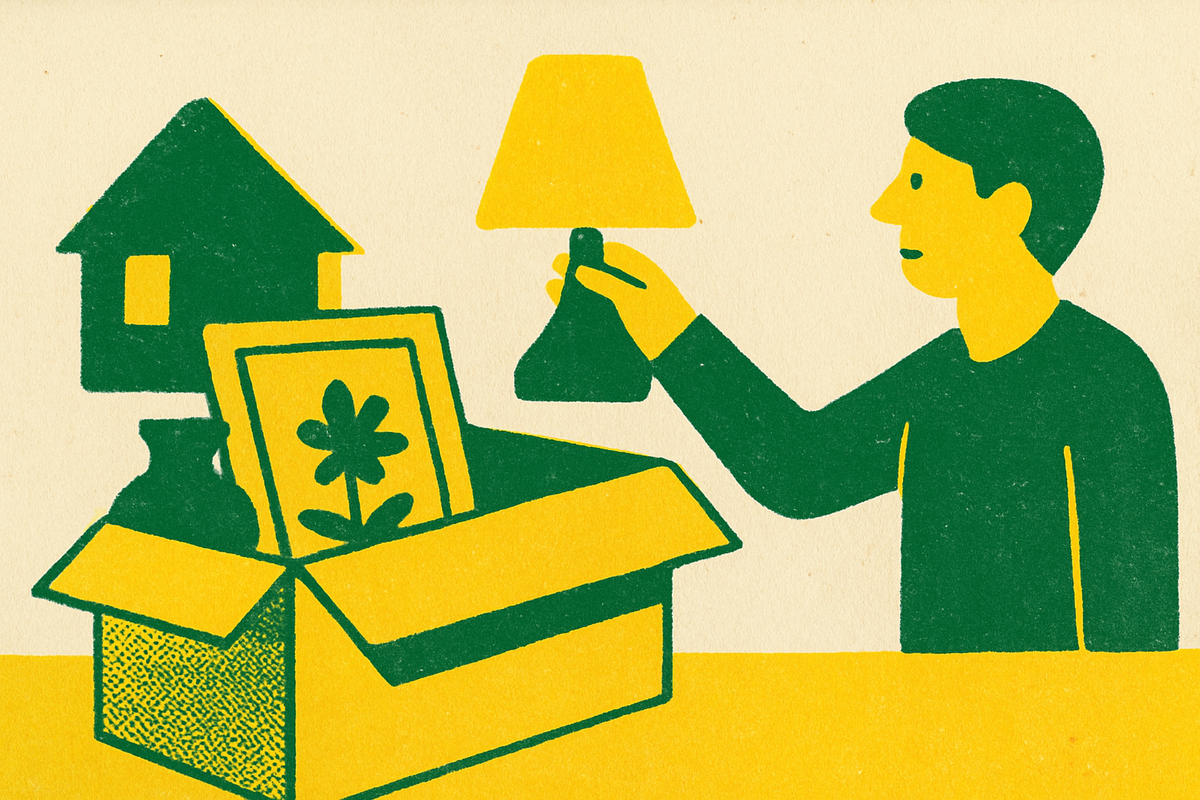
Divorce and estate cleanouts both dump the same problem in your lap: clear out a home full of stuff while grief, legal deadlines, or a soon-to-be-ex-spouse's lawyer breathes down your neck. The objects carry weight beyond their function. A lamp can feel like more than a lamp when it sat on a nightstand during thirty years of marriage or belonged to a mother who just died, and that weight is exactly what makes this work so hard to sequence. This piece walks through a staged process that keeps the emotional sorting and the financial decisions in separate lanes, so one doesn't wreck the other.
Two failure modes show up constantly. Some people move too fast, tossing or giving away things before anyone's figured out what they're worth (in dollars or in memory). Others freeze completely, and the house sits half-packed for months while everyone avoids the master bedroom closet. Both come from the same root cause: nobody separated "what does this mean" from "what do I do with it."
Before touching a single item: what to secure and decide first
Papers go missing fast once boxes start moving, so lock those down before anything else leaves a shelf, including wills, deeds, insurance policies, and account statements. For divorces, that means settlement agreements and asset lists, anything that proves who owns what. For estates, death certificates and bank records the executor or attorney will ask for within days, not weeks.
Photos and letters deserve the same urgency, and digitizing them is worth doing before the rest of the house starts shifting around. Handwritten notes and old photographs don't survive a rushed pile-into-a-box moment.
Next, figure out what this cleanout is actually for. Selling the property? Dividing an estate between three siblings who don't agree on much? Downsizing into a two-bedroom condo? Just trying to make a house feel livable again? The goal decides everything downstream, including how fast to move and how much to keep.
Set a timeline that matches the size of the job. A room a day beats a weekend blitz that leaves everyone burned out by Sunday afternoon. If more than one person is involved, sort out the ground rules before day one: who gets final say on disputed items, how ties get broken. Arguing over a china cabinet at 4pm on a Saturday is how these projects stall for a month.
How to sequence rooms so emotional fatigue doesn't derail progress
Work room by room, not item by item scattered across the whole house. Progress needs to be visible or the whole thing starts to feel like running in place.
Start with the boring rooms: garages, kitchens, utility closets, guest rooms nobody used much. Functional items are easy to judge without a lump forming in your throat, and clearing three low-stakes rooms in a weekend builds the kind of momentum that makes the fourth room feel possible.
Save the hard rooms for once that momentum exists, things like master bedrooms, home offices, anywhere books or photos or hobby collections have piled up over years. For divorce specifically, flip that order a little: tackle the items with the sharpest emotional charge early, wedding jewelry, an ex's gifts, shared bedroom furniture, so they're not looming over every other decision for the next six weeks.
A simple four-box system works in every room:
- Keep (used, loved, fits wherever life is headed next)
- Sell or donate (good shape, just not needed anymore)
- Trash (broken, stained, actually done)
- Relocate (belongs in a different room, not out the door)
Downsizers should apply one hard rule here: if the new place is smaller, don't carry more than what will fit and get used. Storage units add recurring costs, and the stuff sitting in them often doesn't justify the ongoing expense.
One more thing worth flagging: estate cleanouts turn up forgotten value constantly, in tools, jewelry, old cameras, collectibles stuffed in a drawer since 1998. A rushed pass through a garage is exactly how a valuable vintage receiver ends up in a landfill.
What's actually worth selling versus donating or discarding
Forget what it cost new, and forget how much it meant. The only filter that matters here is condition, current demand, and whether the effort to sell it actually pays off.
Donated used goods are generally valued at thrift-store resale prices, not original retail. That pricey coffee maker isn't worth nearly as much used to anyone, and that same standard sets the right expectation for a donation receipt too.
Some categories punch way above their weight:
Electronics depreciate fast, and the gap between what sellers ask and what buyers actually pay runs 20 to 30% on this category. But vintage and retro tech breaks that pattern entirely: old receivers, film cameras, calculators sell well on eBay. Even boring stuff like TV remotes and routers moves for more than most people expect.
Tools are one of the best-return categories relative to effort. DeWalt, Makita, Milwaukee gear sitting in a garage routinely sells at 40 to 100% margins on the estate-sourced market, and most families walk right past a full toolbox on the way to sorting photo albums.
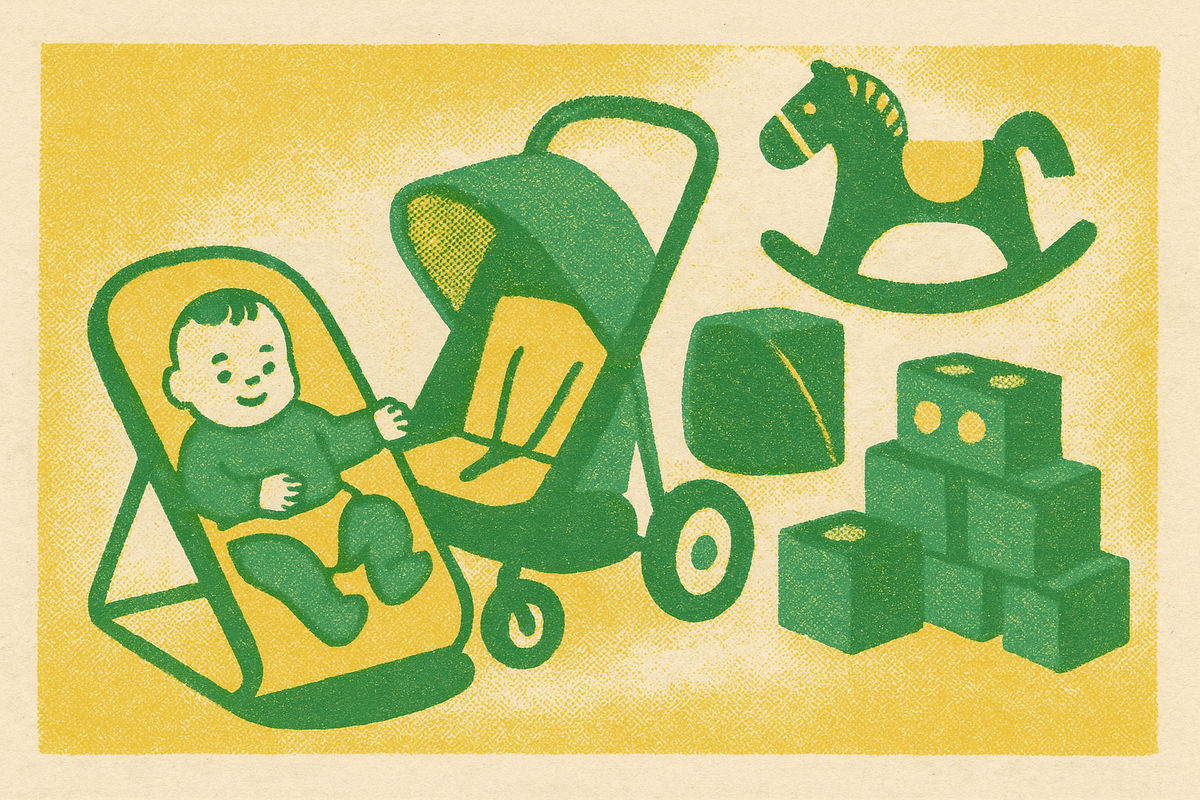
Kids' gear sells better than people assume. Toys are the second-largest resale category in children's goods by dollar value, at $1.3 billion. Montessori-style toys and higher-end strollers (UppaBaby being one recognizable name) move fast, because parents shopping secondhand are looking for exactly that kind of brand.
Collectibles are the wildcard. Pokémon cards, Magic: The Gathering, sports cards, a rare graded find can return anywhere from 10x to 1,000x. Retro consoles carry real margins too: NES and SNES cartridges commonly sell at 50 to 200% markups, and a rare N64 or PlayStation title can hit 500%. None of this should ever go in a donation box without a two-minute eBay search first.
Clothing has a real secondhand market now. Men's workwear brands like Carhartt and Filson do well on eBay specifically, and secondhand apparel overall grew 15% in 2024.
Furniture sells locally, and Facebook Marketplace is the obvious fit for anything bulky enough that shipping doesn't make sense.
What's not worth listing: beat-up household basics, fast-fashion clothes, outdated electronics nobody collects, incomplete sets missing the piece that made them worth anything. If it's in decent shape but too low-value to justify the listing time, donate it and take the receipt, since that deduction has real value at tax time.
How to price what you're selling without guessing
The single biggest mistake sellers make: pricing off what they paid, or off what similar items are currently listed for. Neither number tells you what a buyer will actually hand over.
Sold data is the only real anchor. Active listings show what other sellers hope to get, and the gap between hope and reality runs 20 to 30% on categories like electronics and furniture. Check what things actually sold for, not what's sitting unsold on the page next to it.
On eBay, search the exact model and filter to "Sold Items," which is the fastest way to see real transaction prices. Facebook Marketplace doesn't show sold data at all, so a lot of sellers cross-check there using eBay comps before setting a local price. Pull three to five comps that match model, color, and included accessories, then use the median, not the average, since one rare variant or one damaged listing can drag an average way off course.
As a sanity check, everyday used goods tend to sell at 20 to 40% of original retail, while like-new items land at 50 to 70%. Those are starting points, and real sold comps should always override the formula when the two disagree.
Leave room to negotiate. List 10 to 15% above the number that would actually satisfy you, and if nothing happens in two weeks, drop the price about 10% and try again. When the clock is the real pressure, an estate closing in three weeks, say, quick-sale pricing at 15 to 25% below fair market value moves things faster than waiting for the "right" buyer.
Watch for the same red flags in other people's listings that you don't want in your own: vague descriptions, the word "RARE" slapped on something common, blurry photos, listings that have sat untouched for a month. If a comp looks like that, throw it out of the pricing set, since it carries no real information about the market.
Choosing the right marketplace for each category of item
No platform does everything well, and matching the item to the right marketplace is one of the few decisions a one-time seller can make that actually moves the needle.
Facebook Marketplace wins for furniture, large home goods, anything where a local buyer driving over with a truck makes more sense than shipping. eBay wins for anything with a national or collector audience: vintage electronics, retro games, graded cards, name-brand tools, workwear. Its sold-items filter is also, frankly, the most honest pricing tool available to anyone selling secondhand right now.
The broader resale market backs this up. The global secondhand market has reached $393 billion, and U.S. online resale grew 23% in 2024. There's a real, active buyer base out there for items priced right and photographed decently. Add in a 2026 tariff effect pushing retail prices on electronics and appliances up 8 to 15%, and used alternatives look even more appealing to buyers, which widens the margin for anyone selling into that gap.
Skip listing anything where photographing it, writing the description, answering messages, and arranging pickup would take longer than the item's likely sale price justifies. That calculation is simple math, and the correct answer is donation.
Getting the rest out: donation, junk removal, and what to do with the unsellable
Once the sell pile is listed, everything left needs a destination, since limbo is the number one reason these projects drag on for months instead of weeks.
Donation covers anything in decent shape that isn't worth the listing effort. Document what goes out the door and keep the receipts; fair market value deductions at thrift-store pricing add up fast across a full house. Some organizations will even pick up large furniture donations, which removes a real logistical headache.
Junk removal handles what's broken, stained, or otherwise unusable. For a large estate, one junk removal booking can clear in a day what would otherwise take weeks of dump runs in a pickup truck. Book it early, especially if it needs to line up with a property sale closing date.
When the volume is huge and time is short, an estate sale company or a buyout buyer can take the whole lot off someone's hands at once. The per-item return is lower than selling piece by piece, no argument there. But when emotional bandwidth has run out, trading some money for speed is a completely reasonable call, not a failure.
The cleanout is finished when every single item has somewhere to go, sold, donated, hauled off, or deliberately kept, not simply when the listings go up. Finishing the physical work, even the hard parts, tends to bring a kind of closure that a stalled, half-packed house never does. Deciding what stays and what goes isn't just logistics; it's part of how people actually move forward.