The Laziest Legal Way to Sell Old Clothes and Random Junk You Found in a Drawer
Price from real sold data and list honestly to clear that drawer.
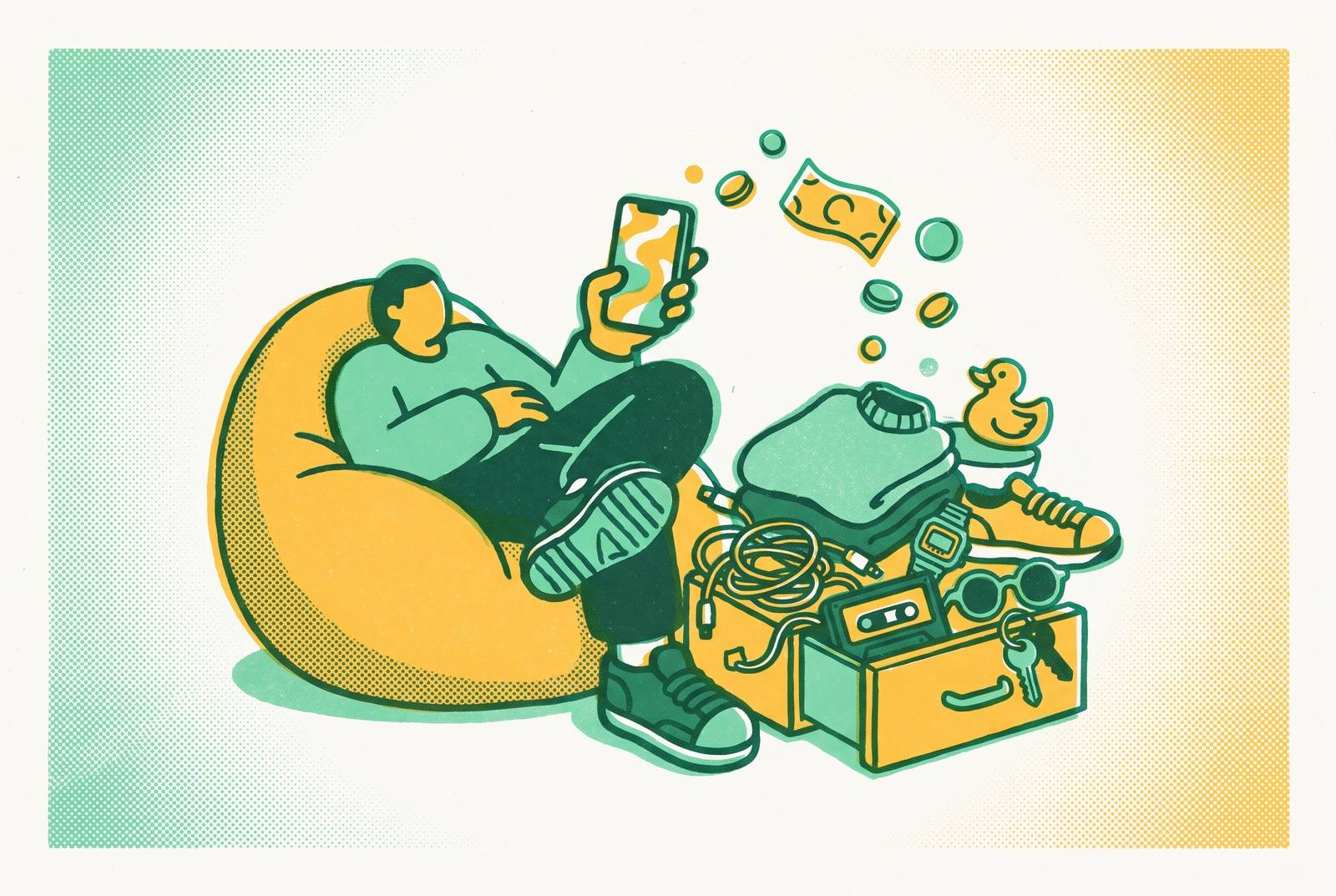
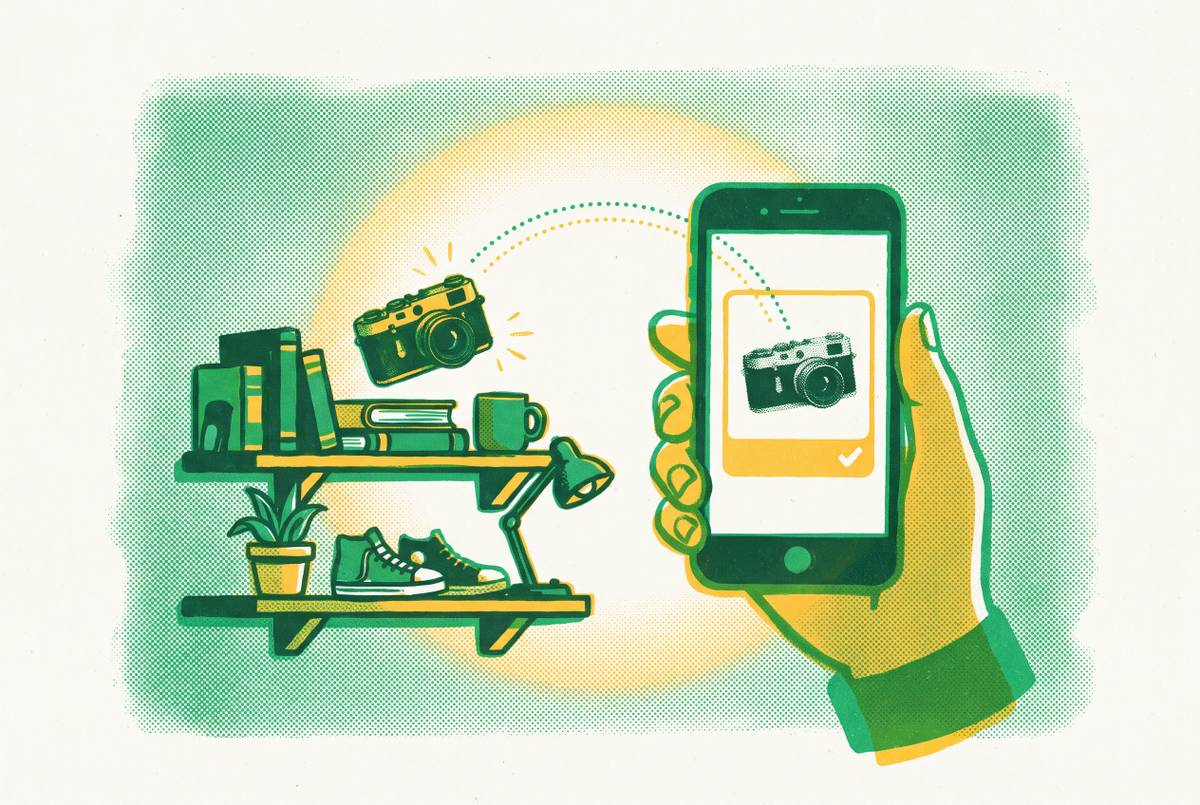
The laziest legal way to sell old clothes and drawer clutter is to photograph the item, price it from real sales, and publish a factual listing. For a snap-a-photo AI listing app, Reclaim identifies the item, drafts the listing, and prices it from eBay sold data for review before publishing to eBay and Facebook Marketplace. Skip the work buyers do not need.
Why so many items end up listed for weeks or sitting in a drawer forever
The drawer still holds the phone you meant to sell months ago, plus clothes that have somehow moved in for good. You know they might be worth something. But opening a selling app means deciding on a price and writing a description, so closing the drawer wins again.
Two unanswered questions create misplaced friction that turns a small sale into a project, namely what to charge and what to write. Neither requires an evening of research or a sudden gift for advertising. Yet without a simple method, both feel like prerequisites you are not ready to tackle.
Even when you get started, you can still get the price wrong. Kahneman, Knetsch, and Thaler’s classic study found that owners demanded roughly twice what buyers would pay for the identical object, an example of the endowment effect. Ownership quietly adds an imaginary surcharge. Buyers do not pay it, which helps explain why an item can move from a drawer to a listing and remain just as unsold.
The two platforms worth your time and when to use each
Does the buyer need to inspect the item in person, or will they happily pay to have it shipped? That question does most of the platform research for you. Facebook Marketplace is the best fit for bulky, heavy, or inspection-dependent items, including furniture, appliances, and exercise equipment. Local pickup works well for these sales because shipping can cost as much as the item sells for.
For electronics, collectibles, and branded goods with an established resale market, eBay is the stronger starting point. Its sold-listing history gives you evidence for pricing. That makes it useful both as a sales channel and as a research tool. Even if you eventually sell locally, the completed sales can help anchor your price.
Fees distinguish the two options as well. Facebook charges no fee on local sales and a transaction fee on shipped orders, while eBay charges a percentage plus a per-order amount on every sale. A sale price is therefore not always the amount you keep. Consider that difference when deciding whether shipping a lower-value item is worth the effort.
Many sellers who know their way around use both platforms, listing locally on Marketplace and on eBay so they can reach buyers on both. StockX and GOAT sell things like sneakers, while Swappa focuses on electronics, but each has its own rules and fees. Consider them only after the basic eBay-or-Marketplace decision.
What your item is actually worth, based on what buyers paid — not what you paid
Your original receipt is not a pricing guide. Neither is an active listing for an identical item at an ambitious price. An asking price is what a seller wants, while a sold price is what a buyer actually paid. That distinction is the foundation of a price that gets the item out of your house.
Start on eBay by searching for the item, using its brand and model where available. Then open the search filters and select sold listings. If you use completed listings, check which items sold and which listings ended without a buyer. eBay’s own pricing guidance says to use sold comparisons to set a price that can compete with other sellers.
Look at the last several sales of comparable items. Find the cluster in the middle and use it as your starting point. Exclude both the unusually high result and the distressed low sale.
Condition determines which comparisons deserve your attention. Like-new items with tags or a box belong near the top, while good, lightly used examples sit below them. Visible wear or missing parts lowers the price further. Rough or for-parts items should be priced to move quickly.
On Marketplace, set the asking price a little above the lowest price you will take. Buyers routinely negotiate through its Make an Offer feature, so a small buffer gives you room to agree without giving the item away. Keep that buffer in line with what buyers have paid.
To shorten the research step, Reclaim identifies an item from a photo, grades its condition, and suggests a price from real-time eBay sold-listing data. You can review or adjust that price before publishing. The underlying method stays the same. Understanding sold comparisons lets you judge the suggestion instead of accepting a number because software said it confidently.
Which items in that drawer are worth listing and which are not
Before taking photos, spend a few minutes separating real resale value from things that merely look sellable. Use the sold-data method to test the promising items. Check whether buyers still pay enough for an item to justify an individual listing.
Electronics are a good place to start. Phones and laptops have active resale markets, and last-generation tech appeals to buyers who want a discount from current retail. Good tech can still be worth enough to list on its own. Gold jewelry and designer items also have strong natural resale value and tend to close quickly when priced from sold data.
With clothing, the label can change the calculation. Quality outerwear and vintage band tees can attract buyers, while an unbranded equivalent may sell for very little. A bargain purchase from the right brand can return a multiple of its cost. That possibility is a reason to check sold comparisons.
Collectors create a different sort of demand. Action figures and Hot Wheels can be worth listing, especially when the original packaging remains. For home goods, certain Pyrex patterns can command strong prices, but that does not make every piece of kitchenware valuable. Solid-wood furniture and pieces from known brands tend to keep their value better than flat-pack furniture.
Cheap fast fashion is usually worth too little to list on its own. It has little resale value and competes with thousands of similar listings, so donate it or bundle it rather than giving every shirt its own sales campaign. Bundle kids’ clothes by size and books by genre. Marketplace clothing sales work best as bundles or higher-value single pieces, which gives you a useful dividing line between the two approaches.
What’s the easiest way to create a listing without writing it yourself?
The buyer needs enough facts to decide without a long back-and-forth. Put the brand, model, dimensions, age, and condition up front where relevant. Add the real reason for selling, such as “moving,” “upgraded,” or “kid outgrew it.” A plain explanation builds more trust than unexplained enthusiasm.
The title should use the terms a buyer would search for. Instead of “brown mens loafers,” include the brand, material, size, and condition. Those details help the item show up when buyers search for something like it and tell them whether it is what they need. “Lovely item” does neither job particularly well. Save the adjectives for something that cannot be measured.
Use natural daylight near a window and a plain, neutral background, then take several angles, including any flaws. Clear photos support the asking price and leave less room for haggling over what the item actually looks like.
Show flaws in the photos and name them in the description. This attracts buyers who have already accepted the tradeoff before messaging, reducing canceled deals and late renegotiations. A visible scuff is information. Hiding it only postpones the conversation until the sale is harder to finish.
For sellers who want to skip the writing, Reclaim can turn a photo into a listing. Its site says it identifies the item, grades its condition, writes the listing, suggests a price from sold data, and lists to eBay and Marketplace in one tap. It also supports multiple photos. The useful distinction is that it handles identification, pricing, and writing together, rather than merely giving you somewhere to post a description you still have to compose.
Once the listing is live, answer promptly. Marketplace buyers often message several sellers and buy from whoever responds first, so a finished listing still needs a little attention. If it goes quiet after a week, renewing it can push it back to the top of local search at no cost. The next task is not polishing the prose but handling the buyer and payment safely.
The scams that target casual sellers and how to sidestep them in one pass
A payment screenshot is not money in your account. Wait until payment is confirmed in the actual account, rather than trusting an image or a pending notification. If a buyer “accidentally” overpays and asks you to return the difference, walk away. The original payment can reverse later, leaving the supposed refund as your loss.
Verification codes are not part of selling your belongings. Never read back a code sent to your phone at a buyer’s request, because it can be used to set up a fraudulent account in your name. Pressure to move the conversation off Facebook is another red flag.
For Marketplace transactions, do not accept gift cards, wire transfers, or peer-to-peer cash apps. Facebook’s safety guidance recommends Facebook Pay or in-app checkout for shipped orders, which offer purchase protection. For an in-person exchange, search for “safe exchange zone” plus your city. Many police departments provide designated parking-lot areas with video surveillance, and a buyer who refuses a public meetup is a reason to walk away.
Turning the drawer clean-out into a repeatable fifteen-minute habit
Start with one drawer or cupboard. A fifteen-minute session puts a limit on the job so it does not turn into a whole weekend with bad food. Make four piles, which are Keep, Sell, Donate, and Recycle or dispose. Keep what you use regularly, sell good-condition items with real resale value, donate usable things that are not worth listing, and recycle or dispose of broken or worn-out items.
Run that pass once per room as you work through the backlog. For clothing, checking the closet each year and using the one-year-unworn rule helps catch items before they get older or go out of style and lose value. Bundle low-value items as they accumulate. A ready-made bundle is less work than a pile that still needs a plan.
For the sell pile, keep the sequence short. Photograph the item, check eBay sold comparisons or let Reclaim do that research, record the essential facts, and publish to both platforms where appropriate. Then respond quickly and collect payment through the platform. Elaborate staging, lengthy descriptions, and holding out above the market price are not signs of diligence here. They are ways to make a small task large again.
The payoff is modest, which is part of its appeal. A drawer stays easy to use, the next bundle is ready sooner, and now and then you get paid for things you no longer need. Nothing has to become a side business. Selling can remain a small household habit that ends with less clutter and a little more cash.