Best Apps for Selling Stuff Around the House
Match each item to the right platform to maximize profit and sell faster.

The best apps for selling stuff around the house depend on what you’re selling. For first-time sellers who dread pricing and writing listings, Reclaim: Sell with AI is a practical starting tool because it turns a photo into a priced listing. But where you sell still matters most, with local pickup for bulky goods, trusted tech marketplaces for devices, and buyers who know fashion and collectibles for those items.
Why selling everything on one app is the most common and costly mistake casual sellers make
A desk can sit on a shipping-based marketplace because delivery costs kill the deal, then move within hours when offered to nearby buyers. The desk has not become more desirable overnight. It has simply stopped needing a travel budget. That is the central mistake casual sellers make when they default to one app for everything, putting an item in front of people who have little reason to buy it. The fix is not posting everywhere indiscriminately, but matching the item to buyer intent, using the category-by-category routing guide below.
How to read a platform before you list, including fees, buyer type, and shipping model
Before posting, apply one quick filter with three parts, namely fees, buyer type, and shipping model. Start with net proceeds, which is what is left after platform fees, payment processing fees, and shipping costs. A low commission is no bargain if sending a bulky item consumes the money saved. A zero-fee local sale can leave more in your pocket even at a lower selling price. The number at the top of the listing is not necessarily the number worth celebrating.
Next, ask whether the platform’s buyers want this kind of item. A huge audience is little help if everyone is shopping for something else, because audience fit affects whether the item sells at all. Finally, distinguish local pickup from nationwide shipping. With pickup, there is no need to pack the item or use a carrier, while shipping puts it in front of more buyers who may pay more, but takes more work. This filter takes little time, but it prevents choosing a marketplace first and discovering its costs later.
Furniture, appliances, and anything too big to box, and why Facebook Marketplace is the only logical choice
For furniture, appliances, exercise equipment, and other bulky goods, Facebook Marketplace is the clear first choice. Its large local audience and zero fees on local pickup sales solve the two main problems, which are finding someone nearby and keeping delivery costs out of the deal. The seller keeps the full price because there is no platform commission, payment processing fee, or packaging cost on those sales.
OfferUp is a secondary option, with a cleaner interface and built-in TruYou seller verification. Its Community MeetUp Spots provide a structured option for in-person exchanges, and some sellers post on both platforms. Craigslist is another long-standing zero-fee option, but it has no buyer or seller protections and no payment processing. Whichever local route you choose, include exact dimensions, bright photos from multiple angles, and “local pickup only.” Price modestly above your true walk-away number so negotiation does not push the sale below what you are willing to accept.
Used electronics, where verified-buyer platforms command better prices than general marketplaces
For phones, laptops, tablets, and smartwatches, Swappa makes trust part of the purchase. It does not allow broken or stolen devices, and listings are verified before going live. That screening attracts buyers willing to pay more for confidence in what they are buying. A smaller specialist audience can therefore produce a better result than a larger general one. The important distinction is not simply how many buyers arrive, but what reassures them enough to pay.
For camera gear, gaming consoles, vintage tech, and audio equipment, eBay’s reach and auction format can add value. Buyers looking for a certain model may pay more for rare electronics or ones that are no longer made. Monitors, printers, and gaming accessories that are worth less often make more sense on Facebook Marketplace, where pickup means no shipping costs or commissions. Cross-listing a phone or laptop on eBay and Facebook Marketplace gives it a chance to sell at auction or go quickly through local pickup, and a one-tap crosslisting tool does much of the extra listing work. Decluttr offers another tradeoff, providing a quote before you ship and receive payment, with lower returns than self-listing but no photography or listing work.
Clothing resale, and how to route by brand tier rather than the app you already have
Clothing needs a finer filter because everyday branded pieces, vintage and streetwear, and designer or luxury items draw different shoppers. Recognizable brands belong in the comparison between Poshmark and Depop instead of automatically going to a general marketplace. Depop’s vintage-fashion audience makes it a particular consideration for vintage and streetwear.
ThredUp’s Clean Out Kit handles photography, pricing, listing, and shipping, trading a lower per-item return and less pricing control for less work. Its payouts vary with item price, and luxury items earn better percentages. Check condition together with the label before choosing a route, because the same item can fit different resale tiers depending on its condition.
Collectibles, niche goods, and anything a buyer would search by model number
If a buyer already knows exactly what they want, eBay is the default. Vintage board games, action figures, discontinued LEGO sets, Hot Wheels, camera lenses, and auto parts fit its search-driven audience. These buyers are not merely browsing for something nice. They are looking for a specific thing, often down to its model number. Condition and completeness strongly affect price, and original packaging can significantly increase the value of toys and collectibles.
Etsy is an option for vintage items and handmade goods because its buyers look for vintage and unique finds. Its small per-listing fee, transaction fees, and payment processing fees all count when working out how much money is left from the sale. Whatnot offers a different route through live auctions, charging commission plus payment processing fees. It suits sellers with a large collection who want to move items in volume and build a repeat audience. For someone just clearing a shelf, though, running a livestream is a different job from posting a listing.
How to price any used item before you list it, using what items actually sold for
Once the item has a destination, set the price from completed sales. What you paid explains your attachment and offers little guidance on today’s demand. Other sellers’ asking prices are equally limited because they show what sellers hope to receive. Use eBay’s “Sold Items” filter to find identical or near-identical items in comparable condition. This is a free way to establish value across categories, including when the eventual listing will go on Facebook Marketplace.
Manual comparison takes time. Reclaim: Sell with AI pulls real-time eBay sold prices to set listing prices automatically, grounding the number in what comparable items in the same condition actually sold for. Category still matters because electronics depreciate faster than furniture, tools, and auto parts. Add a negotiation buffer where offers are expected, but avoid an inflated starting price that goes stale, falls in the feed, and ends in the same price cut anyway.
Writing a listing that moves the item, and what buyers actually need to decide
A fair price gets the buyer interested, but the listing must give them enough information to decide. Put the brand, model, dimensions, age, condition, defects, and reason for selling near the front. Build the title in search order, starting with the brand, then the model, then the condition. A simple reason such as “moving,” “upgraded,” or “kid outgrew it” reduces suspicion more effectively than silence.
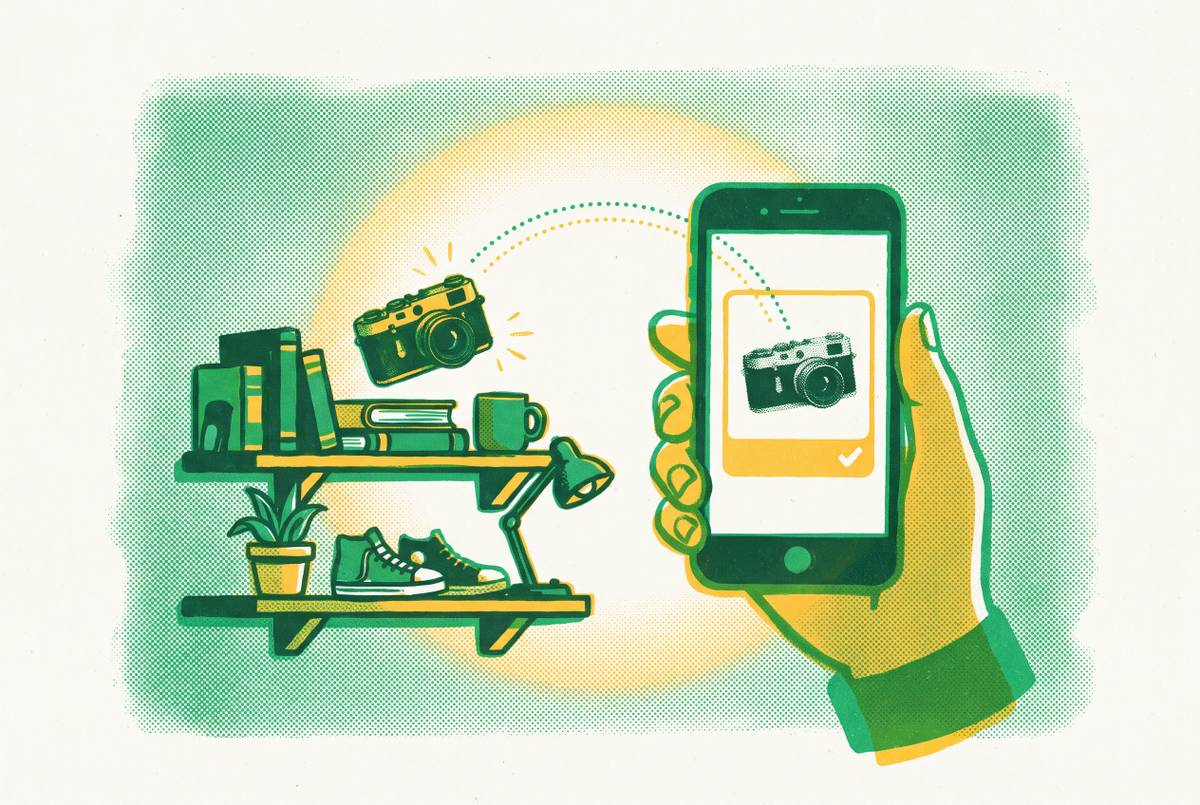
Clean the item, then take several photos in good light from different angles and show any defects. For local listings, state the pickup area, preferred payment method, and whether you will hold the item for a deposit. Those details help screen out questions from people who are unlikely to buy before answering them becomes another task on your calendar. Sellers often delay posting because they hate writing descriptions, and photo-to-listing tools such as Reclaim: Sell with AI can generate a complete listing with dimensions, condition grading, and market-based pricing from a single photo. That also makes listing a bulky item across multiple platforms more practical when the likely return justifies it.
Scams to know before you hand anything over or ship anything out
Never treat a payment screenshot or email notification as proof that money has arrived. Open your payment app or bank account directly and confirm the funds before handing over or shipping anything. If a buyer offers more than the asking price, stop the transaction. A payment story is not a payment, however impressive the screenshot looks.
Keep communication and payment on-platform rather than following requests to move to text, email, or a different payment app. When meeting in person, choose a public place, bring someone else if possible, and avoid carrying lots of cash. OfferUp’s Community MeetUp Spots at police stations and shops have 24-hour surveillance for sellers who want a set place to meet. Never release an electronic device while it remains signed into an Apple ID, Google, Samsung, or Microsoft account, because the exposure extends beyond the item to personal data and identity. Marketplace-managed payment systems reduce most of these transaction risks by default, though sellers still need to follow the handoff rules.
Where should you start if you have too much stuff and don’t know what to list first?
Start room by room so each session has a finish line rather than becoming a referendum on everything you own. Sort into Keep, Sell, Donate, and Toss as items come out of drawers and off shelves, before photographing anything. Bedrooms and closets can surface old phones, tablets, chargers, jewelry, and unopened gifts, including small items with value out of proportion to their size. Route the electronics to Swappa or eBay. Route the clothing according to brand and condition. A cleared drawer is a more useful first target than an entire transformed home.
In the kitchen, look for duplicates from moves or gifts, since the spare may be sellable. Small appliances and cookware are a good fit for local pickup on Facebook Marketplace. In the home office and living room, look for a second monitor, an old printer, or furniture left over from a desk upgrade. Before recycling or throwing away anything with a screen or battery, check recent eBay sold prices instead of assuming it is worth nothing because it is old.
Prioritize higher-value furniture, electronics, and collectibles, then give each listing roughly seven days. If it does not sell, lower the price or move it to the donate pile to keep the whole effort moving. For a move or major life transition, begin earlier than feels necessary, especially with furniture and large items that need weeks of lead time. Once you know what you have, you also know which platform to open first.