Red Flags in Buyer Messages to Ignore or Avoid
Scammers follow a predictable script, and spotting it protects sellers.
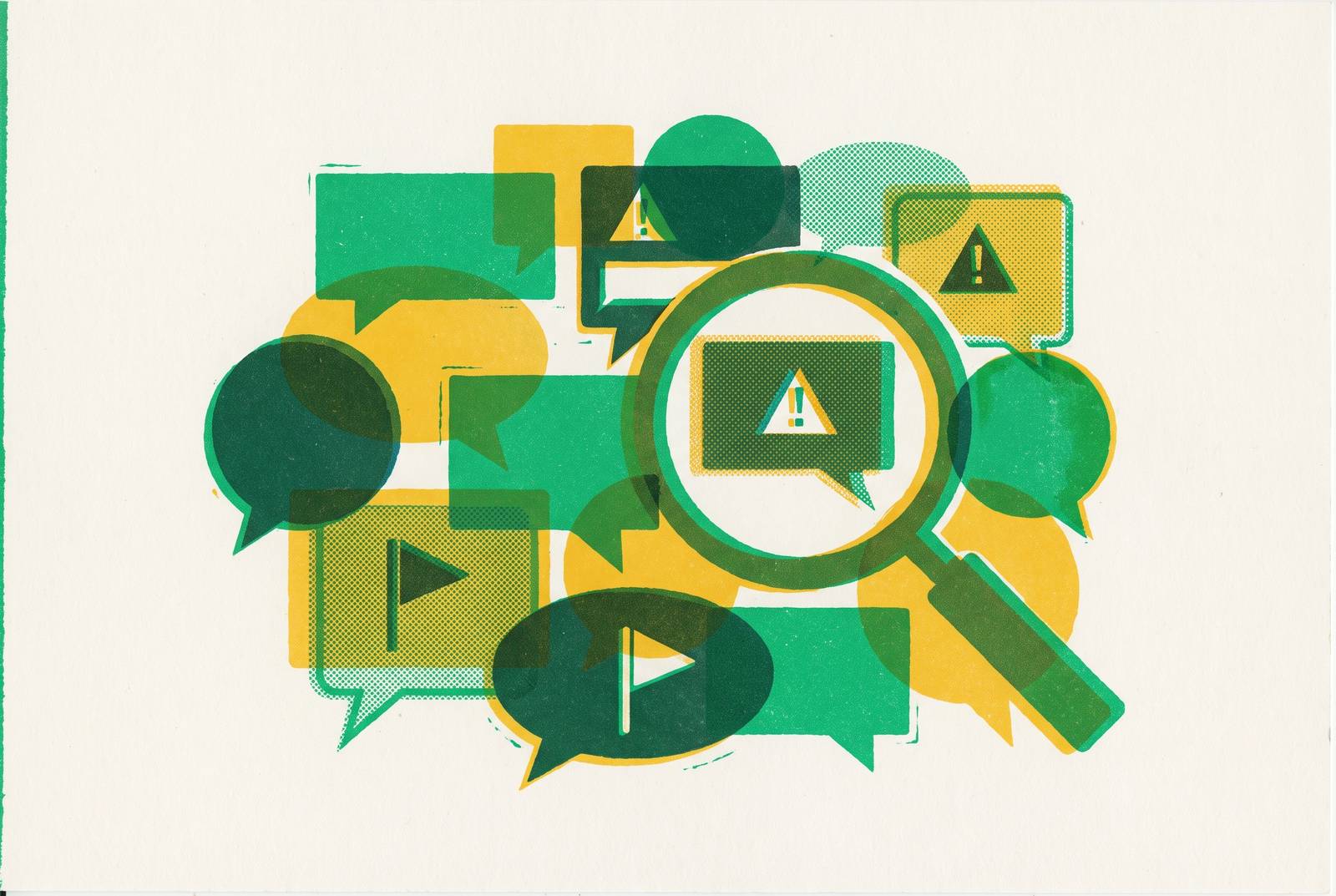
Scam messages work because they're built, not improvised. Scams look convincing, but they follow a surprisingly predictable playbook, and once you know the scammer's playbook, you can significantly reduce your risk of fraud.
The other reason smart people still get caught has nothing to do with being careless. Scams have grown harder to detect at a glance: a 2026 roundup cites the widespread use of AI-generated images, fake profiles, and automated messaging as the reason even experienced sellers get caught. The con used to look a little off if you squinted, but now it doesn't look off at all, so squinting isn't the skill anymore. Pattern recognition is.
Who scammers target
Scammers don't spray and pray across every listing on a platform. They pick targets the way a burglar picks houses: look for the unlocked window first. New sellers with little to no feedback history, people listing high-value categories like electronics, jewelry, gaming consoles, or designer goods, and part-time sellers who check messages once a day instead of constantly, all make the short list.
Vehicles and electronics draw a specific con: the advance deposit scheme. A buyer claims multiple people are interested and asks for a deposit right now, using a payment method that can't be traced, before the seller has time to think twice.
Listings themselves hand scammers material to work with. A vague condition description, a missing serial number, or one blurry stock photo gives a dishonest buyer what's needed to later claim the item "wasn't as described." Tightening up a listing isn't just about looking more professional. It closes the gap a bad actor needs to make a dispute stick. Knowing who gets targeted is the easy part. How the con actually runs once it starts is the next question.
The first move in almost every scam: pressure to leave the platform
Nearly every scam opens with the same ask: take this somewhere else. A text thread, a personal email, or a different app counts, anything that isn't the platform where the sale started. That's the move to watch for above all others, because it's the one move every other scam in this piece depends on.
Omniwatch states it directly: once communication or payment moves off Facebook, the seller becomes most vulnerable to fraud, because purchase protection, in-app reporting, and the message record all disappear the moment the conversation shifts to WhatsApp, Telegram, text, or email. eBay runs on the same logic. Its messaging system builds an auditable record that gets used to settle disputes, and a request to move to WhatsApp, a personal email, or Venmo doesn't just feel sketchy, it violates eBay policy outright and cancels every protection that comes with selling there.
The move takes a few recognizable shapes. A buyer who opens with "text me at this number" before asking a single question about the item. A claim that Marketplace's payment system is broken, that fees are too high, or that their own checkout process is just faster. A link dropped into chat asking the seller to "verify the transaction" or "confirm your seller account," pages Guardio's 2026 analysis found mimic Facebook or real payment processors almost perfectly, the only giveaway being the URL itself. Any request for a phone number, email, or personal payment handle in that first exchange belongs on the same list.
The rule that falls out of all of it is short enough to remember under pressure: if the deal is getting faster, less traceable, or harder to reverse, stop. A buyer who can't pull a seller off-platform doesn't give up. They just switch to a different kind of trick, one built around what the seller sees instead of where the seller is.
How scammers control what you see
Who controls the proof is the mechanism underneath almost every successful scam. Guardio's 2026 breakdown lays out the difference cleanly. In a real transaction, the seller controls the proof, because the money shows up in their own account before the item goes anywhere. In a scam, the buyer controls the proof instead, a screenshot, a confirmation email, a "pending release" notice, each one existing only on the buyer's screen and nowhere the seller can actually check.
That one shift explains the whole category. A Venmo, Zelle, or Cash App screenshot can be faked in tools as basic as Photoshop or Canva, or in apps built specifically to generate fake payment confirmations, sometimes with the correct name, the exact dollar amount, and a transaction ID sitting right there looking official. A fake email claiming to come from a payment app can tell the seller their account needs an "upgrade," or that funds are being held until the item ships. And a "business account" notice can claim the money is sitting in escrow, waiting on a tracking number before release.
The reason these work isn't a failure of intelligence. The confirmation includes logos, timestamps, and transaction IDs built to look real, and the message usually arrives wrapped in urgency: a daughter's birthday, a deadline, a reason the seller needs to ship today. Urgency is the whole mechanism. It's what keeps a seller from pausing long enough to check their own account instead of the buyer's screenshot. eBay sellers get a version of the same pitch dressed differently: "I'll pay you more through Zelle so you don't have to pay eBay fees," or "my corporate purchasing department only uses wire transfers," or an offer to send a PayPal gift to dodge fees, each one routing the payment around the protections eBay actually provides. The fix is the same one every time: open the actual payment app or bank account directly, never through a link in a message, and confirm the money is there and usable. If it isn't, nothing was sent.
That same fake-proof trick gets even more dangerous once real money starts moving in the wrong direction.
The overpayment trap and the courier trick
The overpayment trap starts with a check or money order written for more than the asking price, with the buyer explaining the extra amount as a payment for movers or shipping. The ask that follows is simple: deposit the check, then send the difference back through Zelle, Venmo, or gift cards. The trap works because of timing. Banks often make funds from a deposited check available before the check has actually cleared, so the deposit looks real for days. Weeks later the check bounces, the bank reverses the deposit, and the refund already sent is gone for good. The seller loses the refund money and, in plenty of cases, the item too. No legitimate buyer sends too much by accident and asks for change back. Any overpayment is a scam, and the right move is canceling the deal rather than refunding money from a payment that was never verified.
The courier trick runs on a different kind of pressure. A buyer agrees to full asking price immediately, asks nothing about condition, age, or dimensions, and says they can't come in person, they'll send a courier instead. Commonplace's 2026 guide notes this setup almost always pairs with a fake payment confirmation, a forged PayPal email, or a bogus cashier's check meant to convince the seller they've already been paid before the courier ever shows up. Legitimate buyers don't keep private couriers on standby for a Marketplace sale.
A real buyer spending real money asks questions, and that's the tell worth watching above everything else. They want to know about wear, scratches, whether it still works, whether it comes with the charger. A buyer who skips all of that and agrees to the full price in record time isn't being generous, and that's the profile to flag immediately, because it's the same profile right before a scammer asks for something that isn't money at all.
Verification code requests and account takeover
A verification code request is an attempt to take over a phone number, a payment account, or a Facebook profile, not a buyer confirming a seller is a real person.
The script is short. The "buyer" claims they need to verify the seller is legitimate before completing the purchase, then asks the seller to read back a code that just landed by text or email. That code can belong to Google Voice, Facebook, an email account, a payment app, or a password reset request. Gridinsoft's breakdown spells out what happens next: handing over that code lets the scammer pass a login check or attach the account to the seller's own phone number, and from there, Marketplace history, saved payment methods, and personal data are all exposed.
Underpriced's 2026 checklist states the rule without any hedging: never share a login code, a Google Voice code, a Facebook code, an email code, a bank code, or a payment-app code with anyone else on the platform. A real buyer has no legitimate reason to need a one-time code sent to someone else's phone. The request itself is the scam. There's no honest version of it to compare against, making this one of the easiest red flags to act on the moment it appears.
Listing quality closes off the angles scammers rely on
Everything covered so far is about reacting fast once a scam starts. Listing quality works the opposite direction: it closes off the raw material a scammer needs before the conversation even begins.
The "not as described" return scam depends entirely on vagueness. A buyer receives what was listed, then claims the color was wrong, the wear was worse than shown, or swaps in a different item entirely and sends that back instead. None of that works against a listing that's actually specific.
A few habits shut the door on it. Original photos from multiple angles, not stock images, since scammers favor stock or copied photos precisely because the vagueness leaves room for "that's not what I got" claims later. Listing every visible flaw instead of just the flattering angles. Including a serial number or other identifying mark, which makes swapping the item for a different unit impossible to pull off convincingly. None of this is extra effort for its own sake. Honest, specific listings build buyer trust and remove a scammer's leverage at the same time.
The usual reason sellers skip this step isn't laziness, it's friction: writing a detailed, condition-graded description takes time most people don't want to spend. AI-assisted listing tools now close that gap by generating a graded description straight from a photo. The listing that takes the least effort to produce can also be the hardest one for a scammer to exploit. A wildly mispriced listing, way above or way below what similar items actually sell for, sends its own signal, and not a good one. It tells a scammer the seller hasn't done their homework, which makes the account itself look like a softer target.
Pricing from sold data as a scam filter, not just a sales tactic
Pricing works the same way a well-built listing does: it closes off an angle before a scammer gets to use it. A seller who actually knows what an item sells for, based on real completed sales rather than a gut guess or a hopeful number pulled from thin air, can spot the moment an offer doesn't match reality.
That matters most with the "too good to be true" offer, which cuts in both directions. A buyer offering well above market price, sight unseen, is making the opening move in a scam. It's usually the opening move in an overpayment scam or a courier setup, dressed up to look like good luck instead of a trap. A seller who only knows the asking price they typed in cannot tell a genuine buyer from one running a script. A seller who knows the sold price, the actual number real buyers have paid for the same item recently, has a built-in measuring stick. When an offer drifts far from that number in either direction, that's the moment to slow down, not speed up.
Pricing from sold data earns more at checkout, and it works as a filter before checkout ever happens. The number itself becomes a second set of eyes, flagging exactly the kind of offer that every scam in this guide depends on going unquestioned.
Sources
- Facebook Marketplace Scams: Buyer and Seller Red Flags
- Facebook Marketplace payment scams 2026: avoid them
- Facebook Marketplace Scams in 2026: Red Flags To Spot Before You Pay - AOL
- Facebook Marketplace Scams: 12 Scams to Know and How to Avoid Every One
- Facebook Marketplace Scams 2026: 12 Red Flags to Avoid
- Facebook Marketplace Scams: 7 Red Flags Buyers Should Know - Commonplace
- Overpayment scam